Vein Diesease Fayetteville


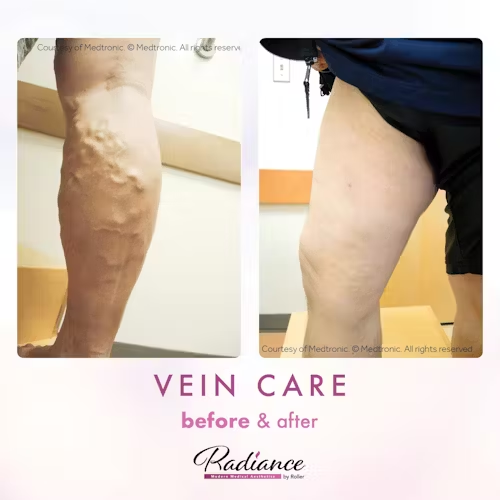
Varicose Veins
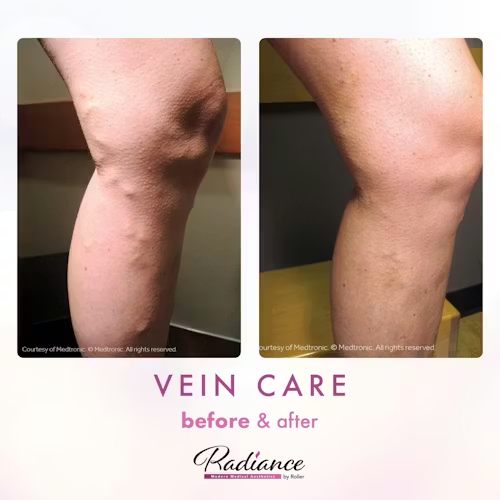
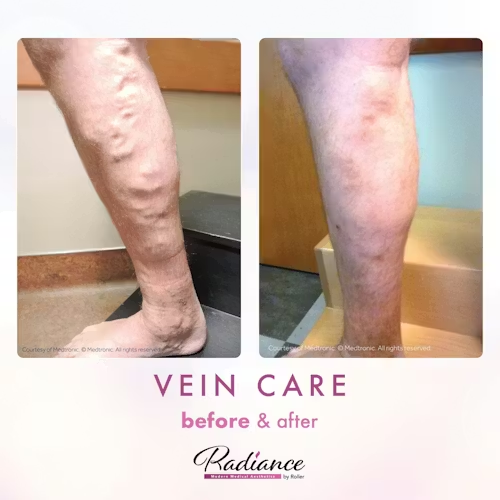
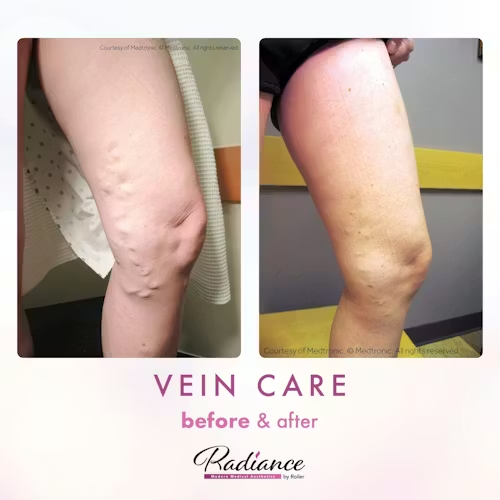
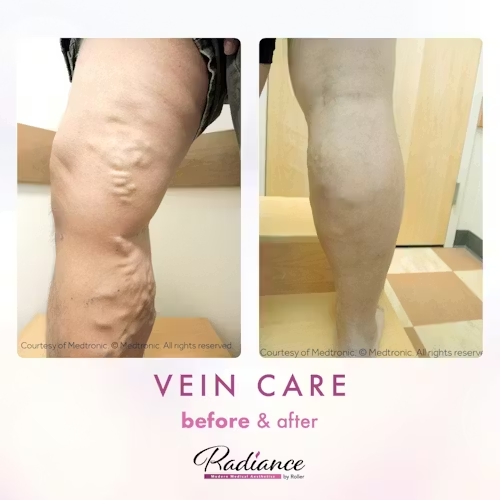
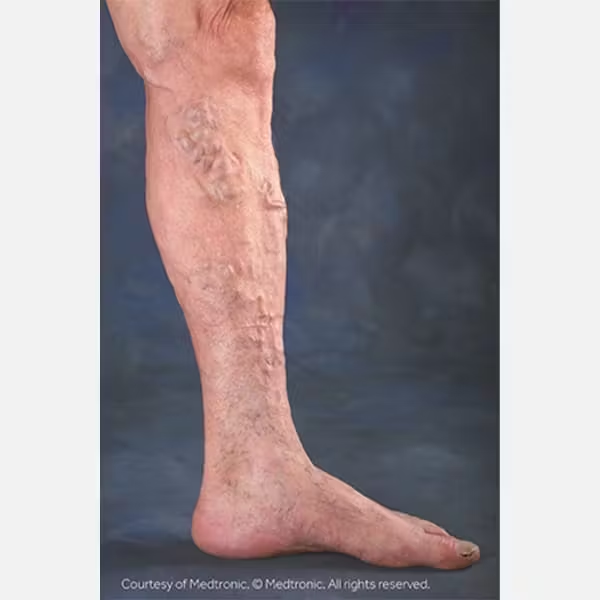
Varicose veins are one of the most obvious visual signs of CVI. These occur when blood pools causing enlarged and dilated veins, giving the skin a knotted rope-like appearance. While any superficial veins may become varicose veins, the most common affected site is in the legs.
Spider Veins
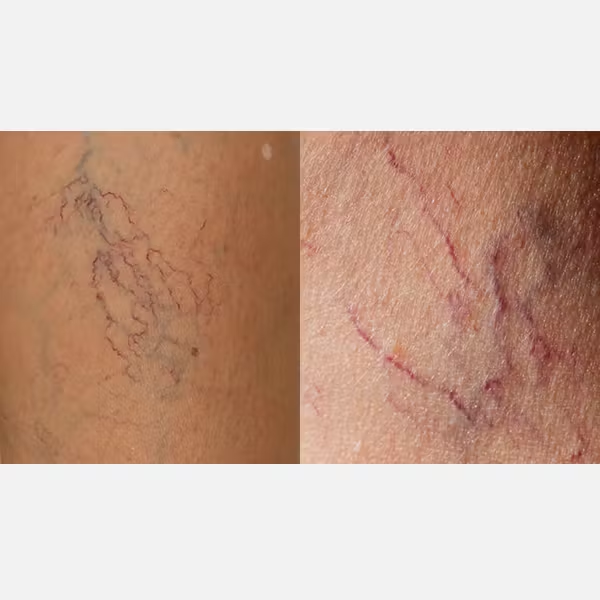
Spider veins are considered a milder version of varicose veins. They appear as a thin web-like collection of superficial veins and may seem innocuous, but spider veins have potential to cause serious venous disease.
Discoloration, Edma, and Ulcers
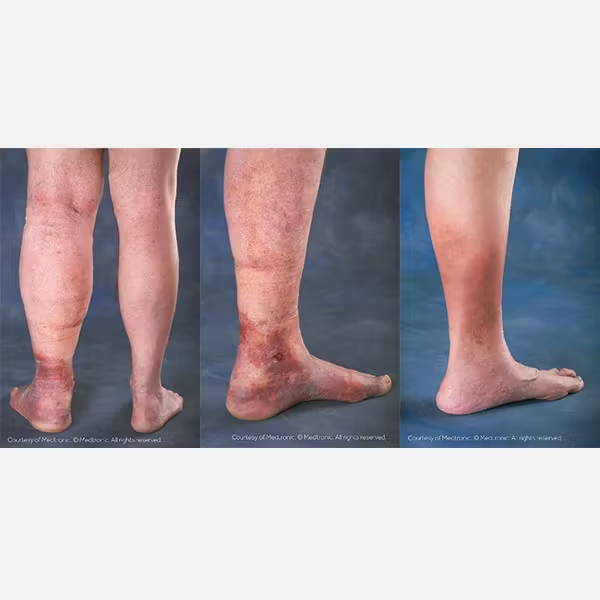
Other symptoms associated with CVI include discoloration, edema, and ulcers. The discoloration of the legs is frequently a result of chronically pooled blood in the lower legs. Edma is skin around such discoloration that is thickened, coarse, irritated, and red. These findings are sometimes referred to collectively as "stasis dermatitis." As a result of this occurrence, the patient is at higher risk for developing ulcerations, infection, and even bleeding.
Discomfort
Discomfort is seen in a variety of ways, typically including the following: pain, heaviness, fatigue, aches, and swelling. Oftentimes, these symptoms occur on the legs or feet, and if a patient is experiencing any of them, it is important to find solutions for relief and increased comfort.